Zenú knowledge
Learning from a landscape shaped by water.
Centuries before cattle came to the Caribbean lowlands, the Zenú farmed these same floodplains, and they did it by working with the water instead of against it.
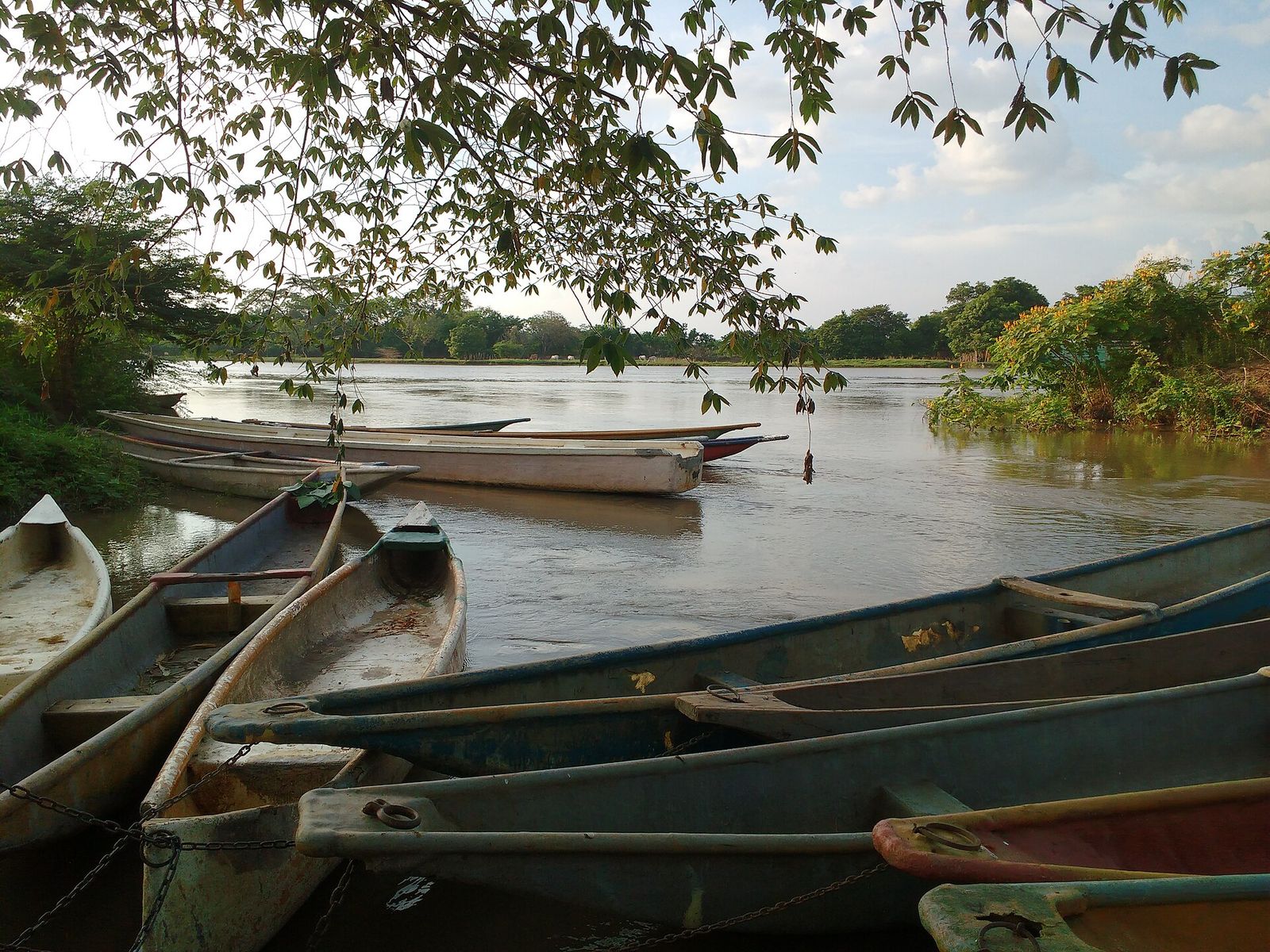
Engineers of the floodplain.
The Zenú are the indigenous people of the San Jorge river basin, one of the largest flood zones in the Americas. Around the rivers' natural flooding they built a vast system of canals and raised ridges: earthworks up to three metres high and channels running for kilometres, laid out to match the movement of the water.
The system drained the floods, kept moisture through the four-month dry season and produced food all year. At its height it supported a far denser population than the region holds today. The earthworks are so significant that Colombia has put them forward for World Heritage listing.
A knowledge nearly lost.
Much of that knowledge was lost as the Zenú world was broken apart. What remains is a lesson written in the land itself: this region was once fed by working with its floods, not by draining or fighting them.
What it means for our farms.
We do not pretend we can rebuild a pre-Hispanic system on a modern cattle farm, and we do not speak for the Zenú. We take their achievement as a starting question: how should a farm here handle water that arrives in floods and leaves in drought?
On the farms that flood, we are learning to read the water first and plan around it, instead of forcing a dry-land model onto wetland ground.
See the five farms