The living landscape
Forest, wetland and working land.
Our home ground is the tropical dry forest and the ciénagas, the great wetlands, of Colombia's Caribbean. Forest, water and pasture are one connected system. You cannot save one and lose the others.
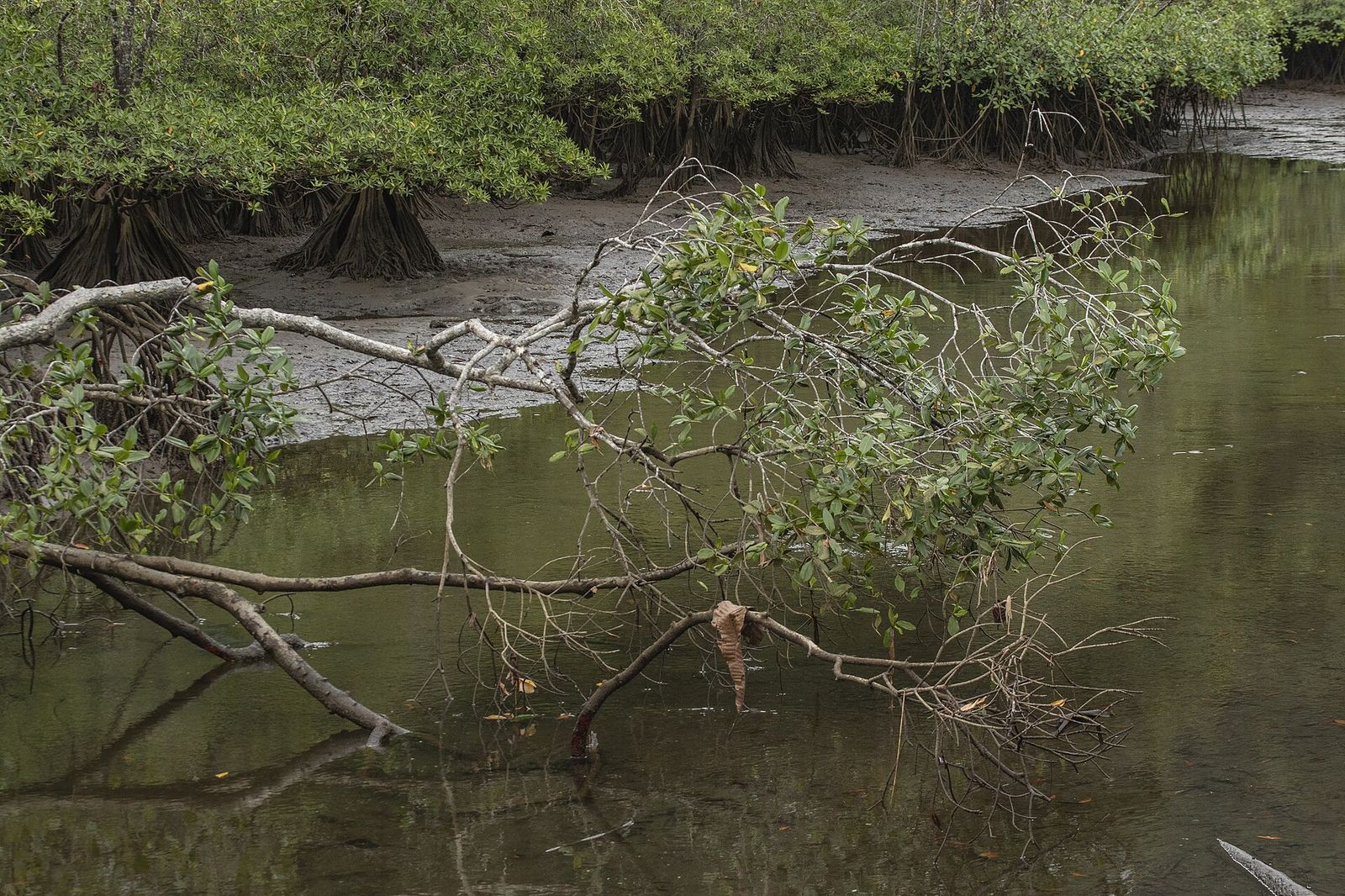
Why this landscape is under threat.
Forest and wetland are being cleared piece by piece. Where forest remains, farmers often keep only a handful of tree species and cut the rest, and the animals that lived in those trees disappear with them. Woody plants are routinely cleared with chemicals that harm people's health, the soil and the ecosystem.
The wildlife that survives faces more pressure: hunting, sometimes for food but often from fear or lack of knowledge, and the pet trade, which takes young animals from the wild because people want to keep them.
The species that hold it together.
Endemic species
Endemic species live in one place on Earth and nowhere else. Lose that place and you lose the species.
The cotton-top tamarin lives only in northwestern Colombia. It is critically endangered, with around 6,000 left in the wild, mostly because its lowland forest has been cleared. The blue-billed curassow, a turkey-sized bird endemic to northern Colombia's forests, is also critically endangered, pressed by deforestation and hunting.
On our farms, every patch of forest we keep or regrow is food, shelter and a corridor for species like these.
Keystone species
A keystone species shapes the whole ecosystem far beyond its numbers. Remove it, and the system shifts.
The jaguar is this region's keystone predator. By hunting, it keeps prey populations healthy and balanced, and its presence signals a working ecosystem. Seed dispersers matter just as much: monkeys like the cotton-top tamarin plant the forest's next generation as they feed.
On our farms, that means room for wild prey, no hunting of predators, and fruit and seed trees left standing in the paddocks.
Umbrella species
Protect an umbrella species and you protect everything that shares its habitat.
Jaguars range across huge territories. Land that can hold a jaguar can hold almost everything else: the animals it hunts, the forest they all need, the rivers that feed it. Corridors between farms, forest remnants and wetlands are what turn separate properties into a landscape a jaguar can cross.
Key flora
Plants feed the system from the bottom. The corozo palm gives fruit for juice and wine. The camajón tree produces a seed used like chocolate. Trees like these feed wildlife, shade cattle and can earn income, all at once.
We do not claim these species live on the farms today. The point of the work is to build back the conditions they need.
See how we farm with nature