Forest · Wetland · Working land
A future rooted in living land.
Restoring nature. Rethinking farming.
Learning from the landscape.
We are Onzenu. Across five cattle farms in Colombia's Caribbean lowlands, we are building the proof that farming and nature can thrive on the same land.
Explore the living landscapeMeet the five farmsA forest most people have never heard of.
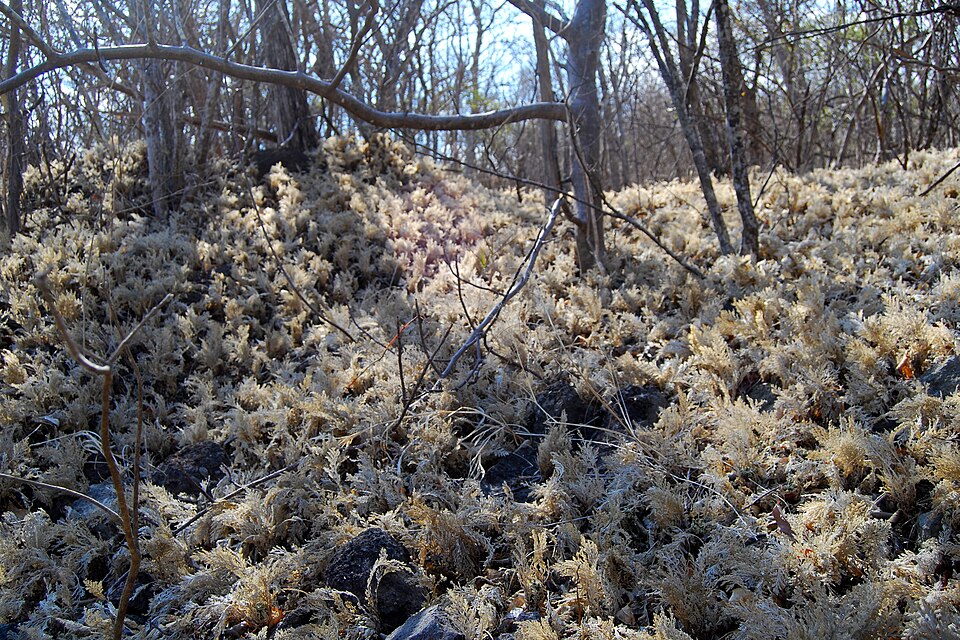
The tropical dry forest of Colombia's Caribbean is one of the most threatened ecosystems on Earth. Piece by piece, forest and wetland are cleared, and the species that depend on them go with them.
The cotton-top tamarin lives only in this corner of Colombia. Around 6,000 remain in the wild, and it is critically endangered. It is one of hundreds of species whose future depends on what happens on working land like ours.
What we do.
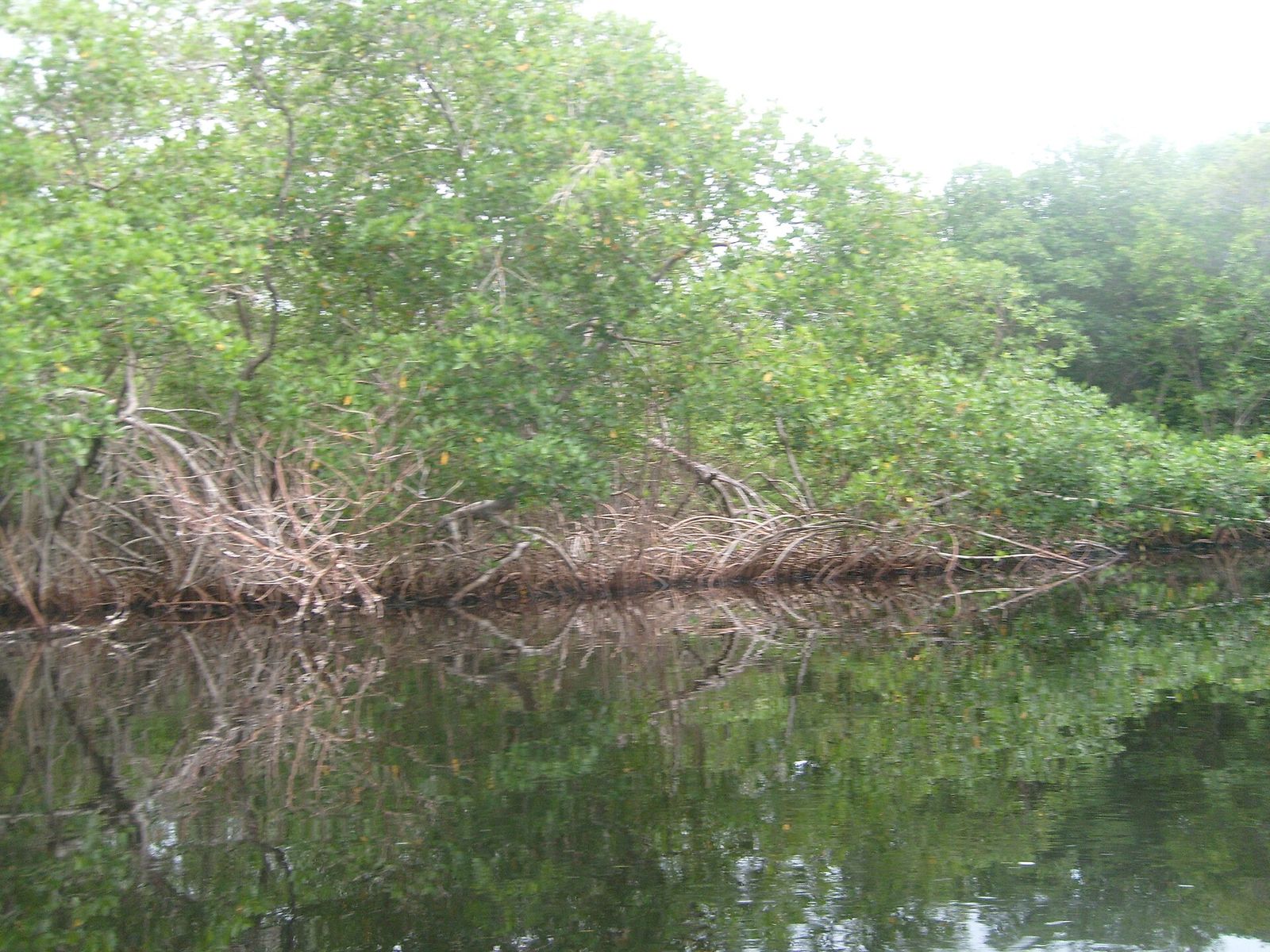
We restore habitat on our farms, from the soil up. We run cattle in ways that rebuild soil, water and habitat instead of exhausting them. We grow many crops together, the way the land once did. We learn from the Zenú, who farmed these floodplains for centuries. We teach. And we publish what we measure, so others can judge whether it works.
See the farming approachFive farms. One question.
Our farms stretch from wetlands and flatlands to hills and creeks. Every one of them was overgrazed and worn out when this work began. Four are now managed regeneratively by us, each with a different productive system and a different question to answer; the fifth, farmed conventionally, is the comparison.
If nature and cattle can share these farms, they can share farms across the region.
Meet the five farmsA landscape worth knowing.
Why does one tree in a paddock matter? What makes a species a keystone? How do people and wildlife share space without one of them losing?
We are building learning material for students, farmers, neighbours and visitors, starting with the questions people actually ask.
Start learningShow the work. Then make the case.
We separate what we hope to do from what we have done. Our evidence page labels every claim: proposal, evidence from elsewhere, or measured result from our farms. Where we have no result yet, we say so.
Our approach to evidenceGet involved.
Are you a farmer curious about regenerative grazing? A teacher? A biologist? A funder looking for honest work? We want to hear from you.
Contact us